 Hannover 96 Hub
Tactical Nuances in Hannover 96's Recent Form
Hannover 96, known for their passionate supporters and rich history, has faced ups and downs in recent matches, showcasing both potential and areas needing refinement. Analyzing their current tactical setup, it becomes evident that while the core principles have merit, subtle tweaks could unleash the team's full potential as they aim to solidify their position in the league.
Current Tactical Setup: Strengths and Weaknesses
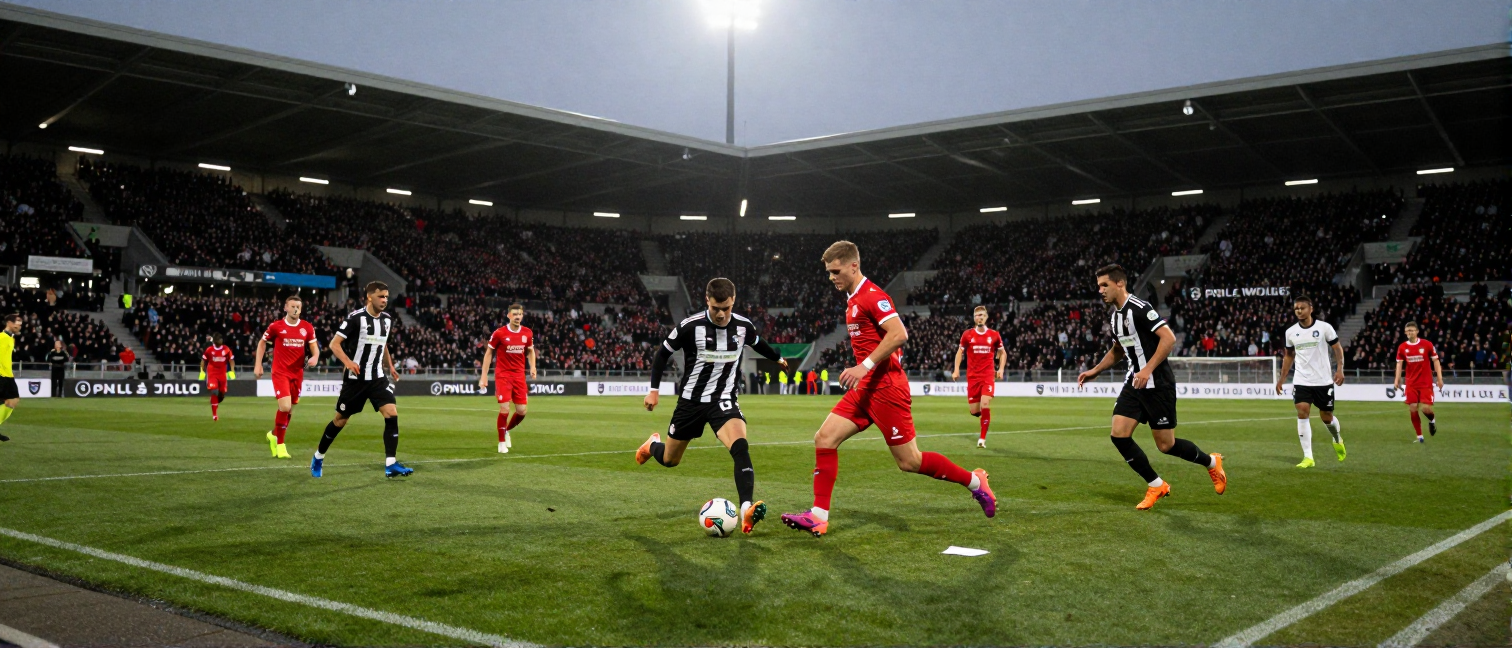
Hannover has predominantly employed a 4-2-3-1 formation this season, which has allowed them to maintain a solid midfield presence while providing width through their wingers. However, recent performances indicate a struggle to convert possession into clear goal-scoring opportunities. The midfield duo, while adept at breaking up opposition plays, often lacks the dynamism to transition quickly from defense to attack.
One of the key strengths of this formation is the attacking trio behind the striker, who possess the creativity and flair to unlock defenses. Yet, the lack of a cohesive link between the midfield and attack has seen many promising moves fizzle out before they can threaten the opposition goal. Furthermore, the wingers have been isolated at times, resulting in a predictable attacking approach that defenses can easily adapt to.
Suggested Tactical Tweaks
To enhance their effectiveness, Hannover 96 could consider a few strategic adjustments:
1. Fluid Midfield Movement: Encouraging more fluidity in the midfield can help create space and options for the attacking players. Allowing one of the central midfielders to make late runs into the box could disrupt defensive patterns and create confusion for opposition markers.
2. Utilization of Full-Backs: The full-backs should be given more license to join the attack, overlapping the wingers and providing additional width. By doing this, Hannover can stretch the opposition's defense and create more one-on-one situations in wide areas. This would also help in maintaining a balanced attack, making it harder for opponents to predict their movements.
3. Varied Attacking Patterns: Introducing varied attacking patterns, such as quick one-two exchanges or diagonal runs from the wingers, would diversify their offensive play. This unpredictability can be crucial in breaking down well-organized defenses, especially in tight matches where opportunities are scarce.
4. Pressing Strategy: Implementing a more aggressive pressing strategy can help retrieve possession higher up the pitch, giving Hannover more chances to capitalize on defensive mistakes. By pressing collectively and with intent, they can force opponents into making hurried decisions, creating turnovers that lead to quick offensive transitions.
Conclusion
Hannover 96 has the foundational talent to thrive this season, but small tactical adjustments could significantly enhance their effectiveness on the pitch. By fostering fluidity in midfield, utilizing full-backs to attack, varying their offensive strategies, and adopting a proactive pressing approach, Die Roten can look forward to building momentum and securing more favorable results in their league campaign. As they refine these tactical elements, Hannover's ambition to rise in the standings will become increasingly attainable.