 Hannover 96 Hub
Tactical Landscape of Hannover 96's Recent Form
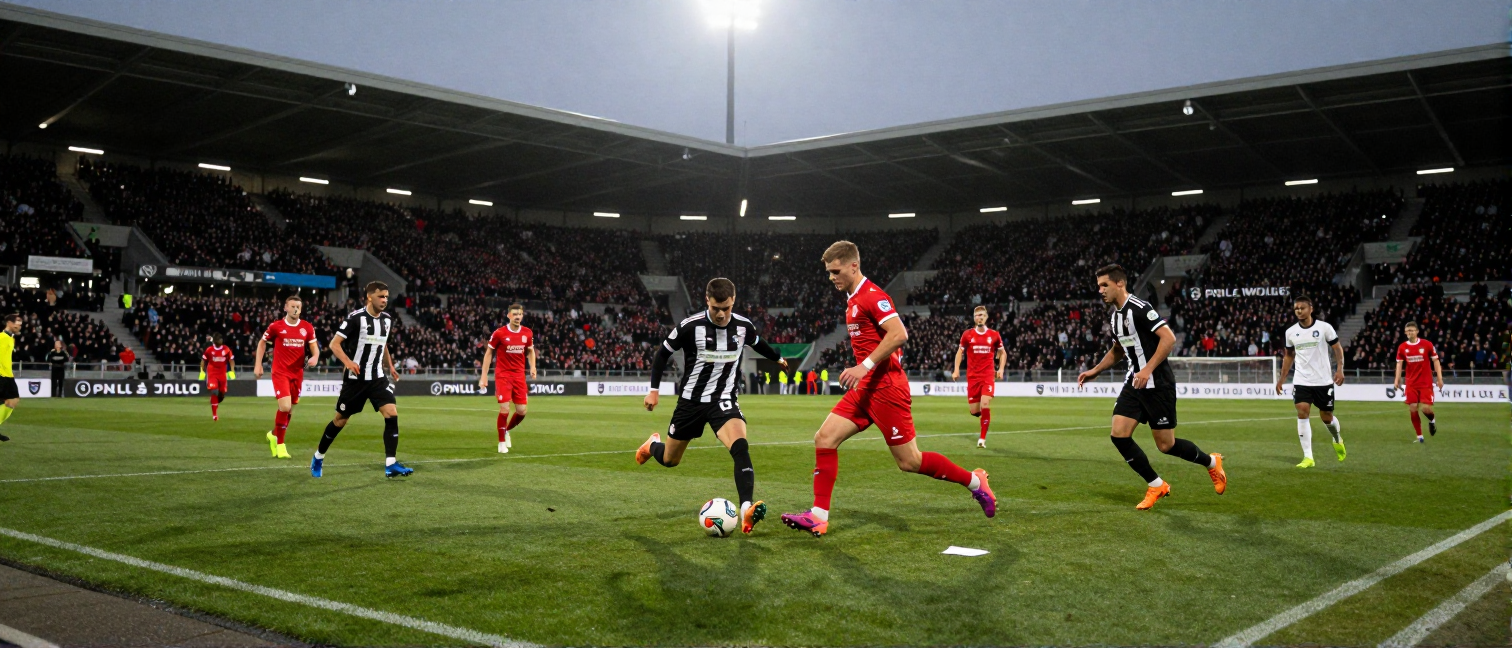
Hannover 96 has shown glimpses of brilliance in their recent matches but has struggled to maintain consistency. The team’s tactical setup, primarily a 4-2-3-1 formation, has provided a solid foundation, but it has also revealed certain vulnerabilities. With a few tactical tweaks, Die Roten can enhance their performance and improve their standing in the league.
Strengthening the Midfield Cohesion
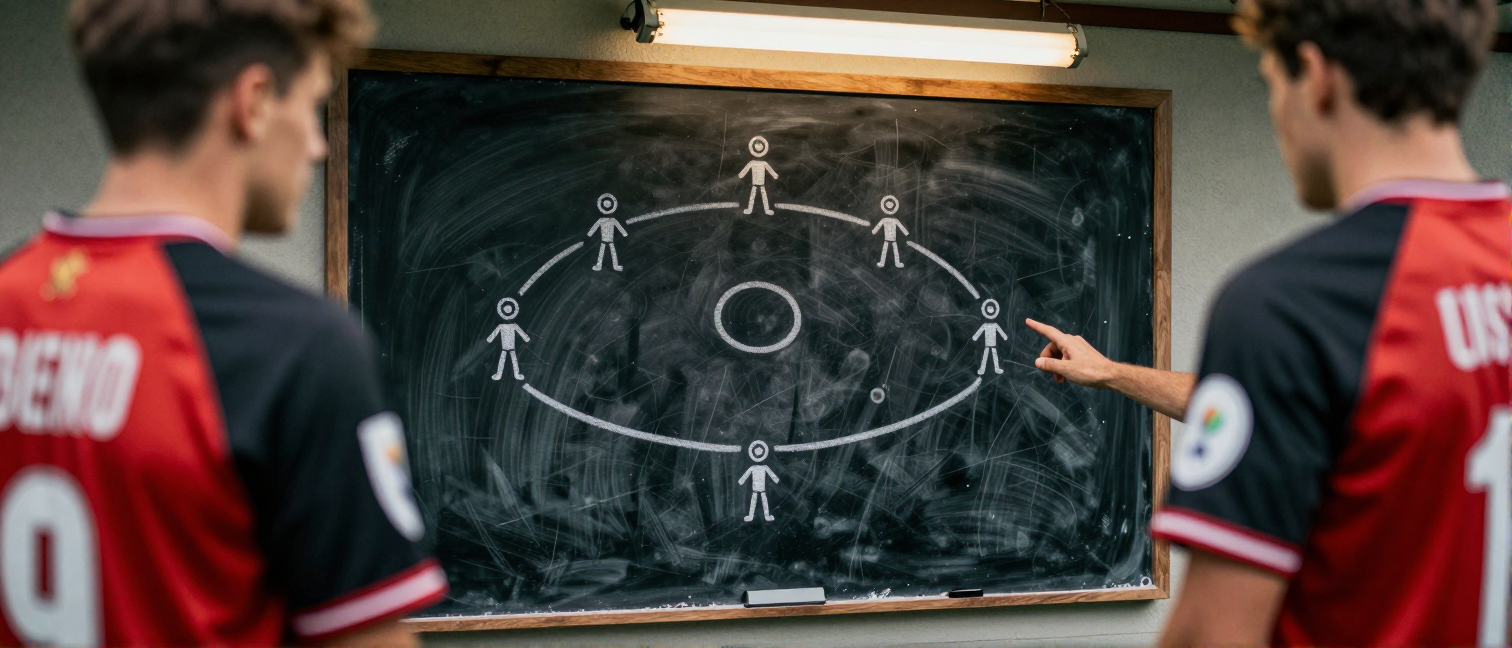
One noticeable issue has been the disconnect between the midfield and the forward line. The double pivot in the midfield often finds itself isolated, especially against teams that press aggressively. To address this, Hannover could consider a more dynamic midfield setup. By introducing a more advanced role for one of the central midfielders, perhaps shifting to a 4-3-3 formation, they could increase fluidity in transitions and provide better support to the attackers. This change would not only assist in maintaining possession but would also enable quicker counter-attacks, leveraging the speed of players like Marvin Ducksch and Linton Maina.
Defensive Solidity and Full-Back Support
Moreover, while Hannover’s defense has shown resilience, lapses in concentration have led to unnecessary goals conceded. The full-backs need to be more integrated into the attacking phase while still providing defensive cover. Encouraging the full-backs to push higher up the pitch can help stretch the opposition and create space for wingers to exploit. However, this should come with a clear plan for defensive cover, perhaps by having one of the midfielders drop back during transitions. This tactical adjustment would ensure that Hannover remains solid defensively while adding numbers to their attacking play.
High Pressing and Counter-Pressing
Implementing a high pressing strategy can also benefit Hannover 96, particularly against lower-ranked teams. A well-coordinated press can disrupt the opponent's buildup, creating turnovers in dangerous areas. This approach requires intense work rate and coordination from the forwards and midfielders, with clear triggers for when to press. Once possession is regained, swift transitions into attack could catch opponents off-guard, providing Hannover with more goal-scoring opportunities.
Player Roles and Responsibilities
Lastly, it’s essential to clarify player roles within this tactical framework. For example, ensuring that players understand their responsibilities in both attacking and defensive phases can significantly improve team performance. In particular, the wingers should be encouraged to track back and support the full-backs defensively, creating a more cohesive unit when out of possession. Additionally, involving a creative midfielder in set-piece situations could add another layer of threat to Hannover's offensive strategy.
Conclusion: The Path Forward for Die Roten
As Hannover 96 looks to build on their recent performances, these tactical adjustments could be the key to unlocking greater consistency. By enhancing midfield cohesion, integrating full-backs into the attack, employing a high pressing game, and clarifying player roles, Die Roten can not only improve their league standing but also develop a more entertaining and effective style of play. The upcoming matches present an excellent opportunity for coach Björn Bremer to implement these changes and guide Hannover 96 towards a successful season.