 Hannover 96 Hub
Recent Form Overview
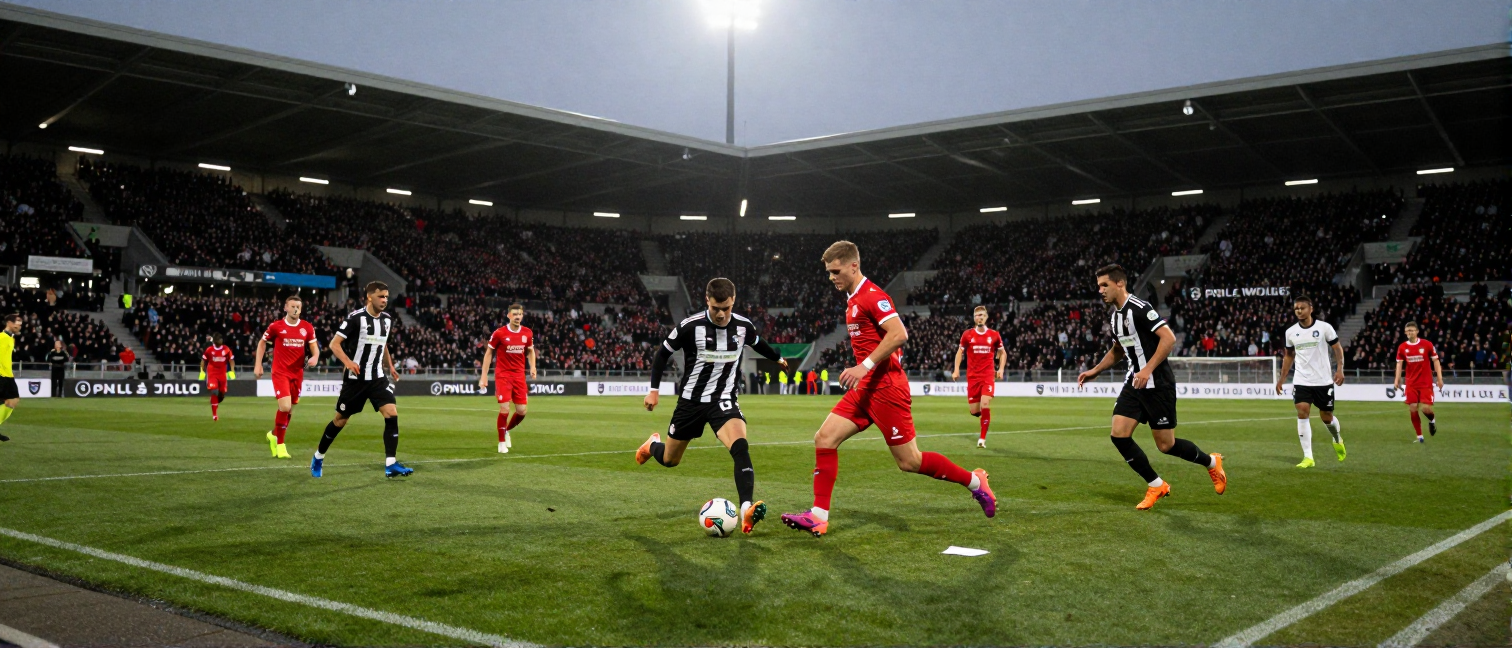
Hannover 96 has had a mixed bag of results in their recent outings, showcasing moments of brilliance alongside periods of inconsistency. The team’s attacking flair has been evident, particularly through the dynamic interplay between their forwards and midfielders. However, defensive lapses have often undermined their efforts, leading to dropped points in crucial matches.
Tactical Analysis
Formation and Structure: Hannover 96 has predominantly utilized a 4-2-3-1 formation, which has allowed them to exert control in midfield while offering width through the flanks. This setup has also provided a solid base defensively, but its effectiveness has been compromised by the inability to press cohesively as a unit. The midfield duo, while talented, sometimes struggles to maintain possession against more aggressive opponents, leading to counter-attacking opportunities for the opposition.
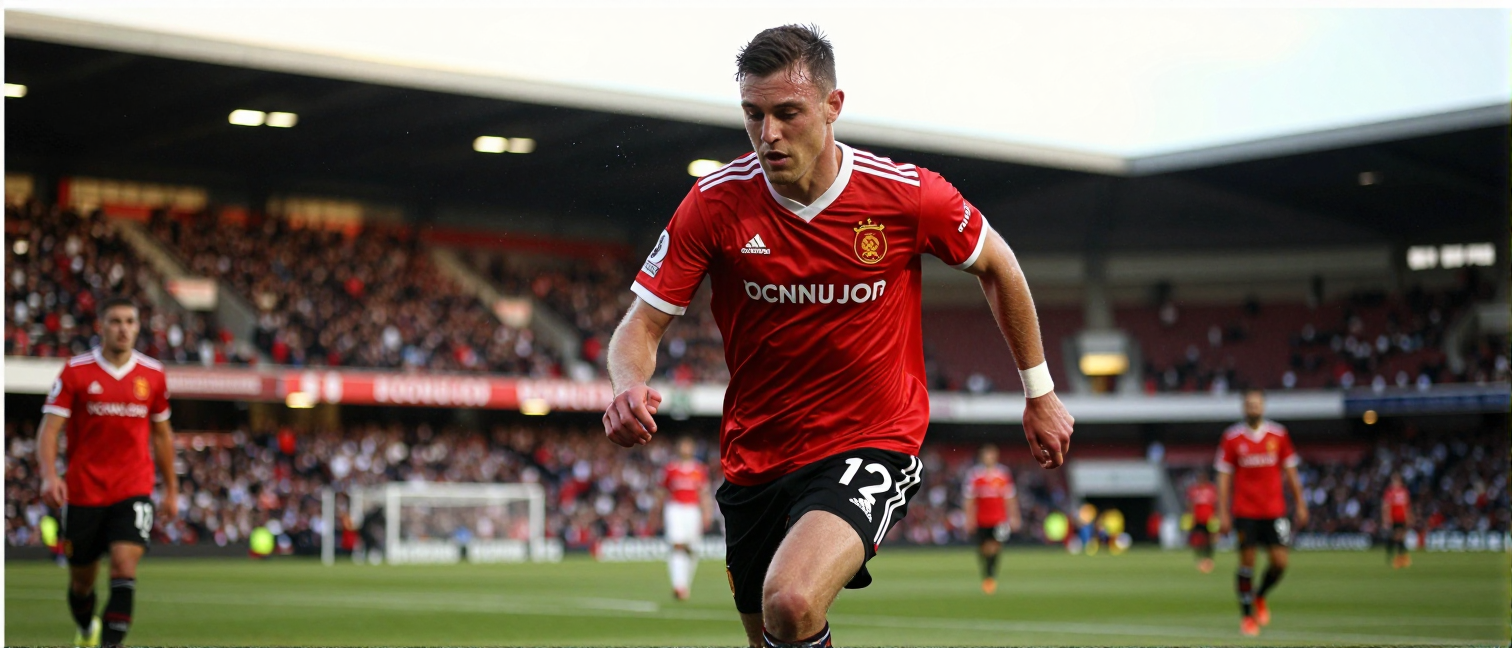
Attacking Dynamics: The attacking unit, featuring a blend of pace and creativity, has shown potential to unlock defenses. However, there have been instances where individual brilliance has overshadowed collective play, resulting in a lack of fluidity. Incorporating more interplay between the wingers and the central striker could facilitate more goal-scoring chances.
Suggested Tweaks
1. Enhanced Pressing Strategy: One key adjustment would be to implement a more aggressive pressing strategy, particularly when the opposition is building from the back. By encouraging the forwards to engage defenders higher up the pitch, Hannover could force turnovers and create quick transition opportunities. This would require a more synchronized effort from the midfielders to support the press, ensuring that the team does not become vulnerable to counter-attacks.
2. Flexible Midfield Roles: Introducing a more fluid midfield structure could help in maintaining possession and controlling the tempo of the game. Allowing one of the central midfielders to occasionally push forward and create overloads in the attacking third would disrupt opposing defenses. This could be complemented by the other midfielder taking a more defensive stance, ensuring stability during transitions.
3. Utilizing Width Effectively: Hannover must leverage the width of the pitch more effectively by encouraging full-backs to overlap and provide additional support in the attack. This not only stretches the opposition but also creates space for central players to exploit. Wingers should also be encouraged to cut inside, allowing for a greater variety of attacking options.
4. Set-Piece Optimization: Lastly, Hannover 96 has the height and physicality in their squad to be a threat from set-pieces. More focused training on offensive set-pieces could yield dividends, with tailored routines to maximize the strengths of key aerial players. Defensively, organizing the team to minimize set-piece vulnerabilities should also be a priority.
Conclusion
Hannover 96’s recent form highlights both the potential within the squad and the areas needing refinement. By adopting a more aggressive pressing strategy, enhancing midfield fluidity, utilizing width effectively, and optimizing set-pieces, Die Roten can build on their recent performances and push towards their season objectives. The tactical tweaks suggested here could be the key to transforming potential into consistent results, allowing Hannover 96 to reclaim their place among Germany's top tiers.