 Hannover 96 Hub
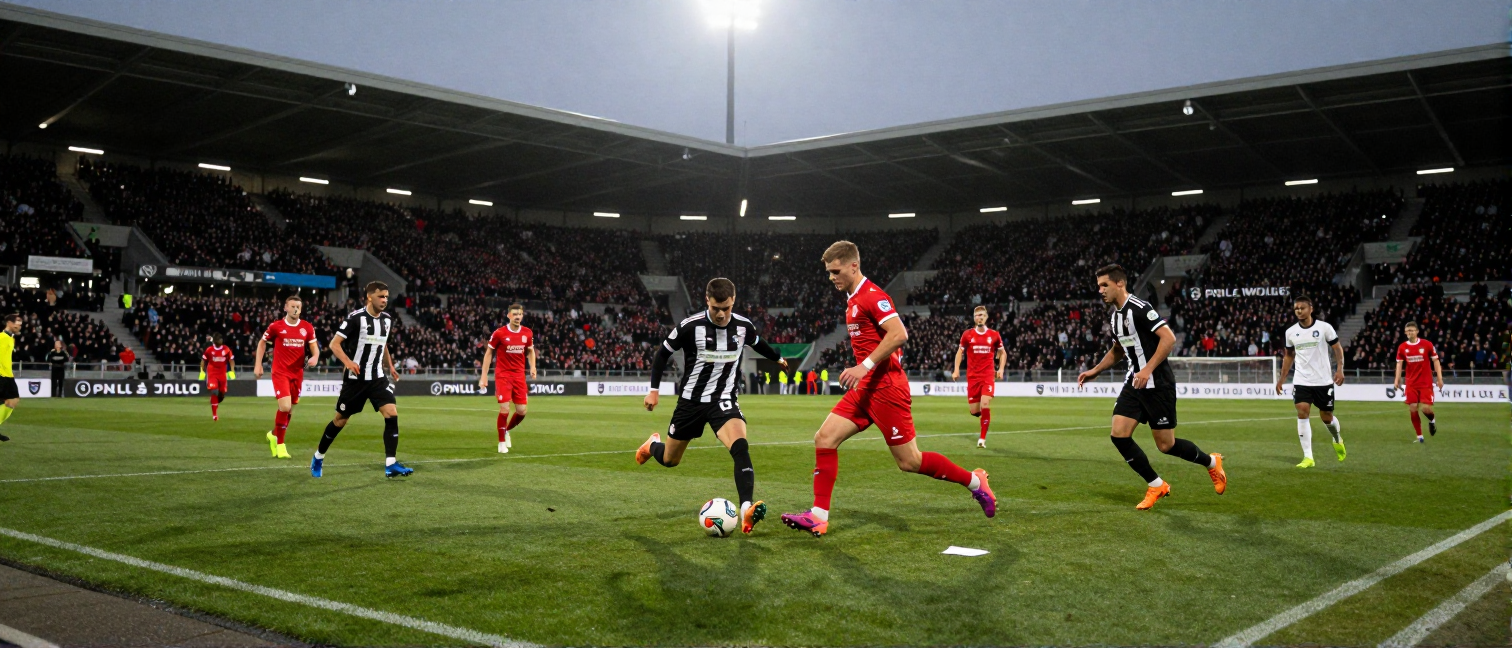
In recent matches, Hannover 96 has shown some noteworthy advancements in their offense, but there is still room for improvement. Specifically, the combination between the wingers and the central striker could be more effective to optimize goal conversion.
Currently, the wingers often utilize the width of the pitch, which creates space but frequently leads to isolated play. A possible adjustment would be to position the central striker, who typically acts as a focal point, closer to the wingers. This could form a dynamic triangle that utilizes both depth and width while putting pressure on the opponent's defense.
Another aspect to consider is the backward movement of the attacking players. In the current formation, the wide players often drift into the center, which diminishes depth in the attack. A clear role distribution where one of the wingers always stays wider could help Hannover 96 destabilize the opposing defense and create more overload situations in the penalty area.
Moreover, a stronger incorporation of central midfielders into the attack would be beneficial. By having these players not only distribute the ball but also actively penetrate the penalty area, Hannover 96 can generate more variability in their offense. These adjustments could confuse the opposing defense and open up more spaces for dangerous shots.
Defensively, Hannover 96 could also benefit from a flexible adjustment of their formation. Temporarily switching to a 4-3-3 could strengthen control in midfield while also invigorating the offense. This formation allows for aggressive pressing against the ball and quick transitions to counterattacks.
Ultimately, it takes a combination of individual skills and collective strategy to achieve the desired results. Hannover 96 has the potential to assert themselves in the league, but these small yet crucial adjustments can make the difference between a good team and a great one.